
The Great Debate: uPVC vs. Composite Doors – Which is Right for Your Home?

Meet your Secured Homes expert, James Bolton!

Published on January 26, 2026 |

9 mins. read

Side-by-side comparison showing the internal cross-section of a multi-chambered uPVC door versus a solid timber core composite door.

One of the most common questions I get asked during a home survey is simple: “James, is it worth paying the extra for a composite door, or should I stick with uPVC?”

It’s a fair question. Ten years ago, the answer was almost always “Composite” for quality and “uPVC” for budget. However, in 2026, modern manufacturing has closed the gap significantly. Both options now offer excellent security and thermal efficiency, yet they serve very different needs depending on your home, your budget, and your lifestyle.

As a surveyor, I look past the glossy brochure photos to the engineering inside. In this deep dive, I’m going to break down the differences in security, thermal performance, lifespan, and price so you can make the right choice for your West Yorkshire home.

Whether you are in a stone cottage in Huddersfield or a new build in Leeds, this guide will explain exactly what you are paying for.

Short on time? Click here to download our free 2026 Product Brochure to browse the styles at your leisure.

Vertical cross-section of an anthracite grey composite door showing the internal layers: plastic skin, insulating foam, timber frame, and composite core material

A look inside the “Fortress”: The multi-layered construction that gives our composite doors their superior strength and insulation.

1. Construction: What Are You Actually Buying?

The biggest difference lies in the core materials. This affects the “knock test”—how the door sounds and feels when you tap it.

The Composite Door (The “Fortress” Choice)

If your priority is maximum security and structural density, the Composite Door is the gold standard. Unlike a standard door which is made of a single material, a composite door is engineered from a combination of materials—usually including wood, PVC, insulating foam, and GRP (Glass Reinforced Plastic).

At Secured Homes, our composite range features a 48mm solid timber core. This creates a door that has the reassuring weight and “thud” of solid wood but without the warping, swelling, or rotting associated with timber. Furthermore, the outer skin is made from High-Impact GRP—the same material used on the hulls of lifeboats. It is incredibly tough and designed to withstand the harsh British weather without fading.

The uPVC Door (The “Smart” Choice)

Don’t underestimate the modern uPVC Door. The technology here has moved on massively since the flimsy plastic doors of the 90s. These doors are made from Unplasticised Polyvinyl Chloride wrapped around a galvanized steel frame.

Modern uPVC profiles are “multi-chambered.” If you cut one in half, it looks like a honeycomb. These chambers trap air to create a powerful thermal barrier, making them surprisingly efficient despite being lighter than composite. They are lightweight, durable, and clean-looking.

2. Security: Can They Be Breached?

Security is the number one concern for our customers. Burglary techniques have evolved, with “lock snapping” being the most common method of forced entry in West Yorkshire. The good news is that we don’t take risks with either option.

The “Lock Snapping” Threat

Both our door types come with Ultion locks as standard. This is a critical detail. Many competitors will sell you a high-security door but fit a cheap £5 cylinder that can be snapped in under 10 seconds. We don’t do that.

  • Ultion Lockdown Mode: If a burglar attempts to snap your lock, the Ultion cylinder detects the attack and fires a hidden “firing pin” into the central cam, mechanically locking the door from the inside. It’s so effective that Ultion offers a £2,000 security guarantee if anyone manages to snap it.

Physical Resistance

While the locks are the same, the physical resistance of the door slab differs:

  • Composite Security: These doors are designed to withstand sledgehammer attacks. When you engage the multi-point lock on a solid core door, you are essentially turning your entrance into a solid wall. For main street-facing entrances or high-risk areas, this is the superior choice.
  • uPVC Security: While lighter, our uPVC doors are reinforced with steel. They are perfectly secure against opportunistic burglars. However, because the panel is thinner than a composite slab, they don’t offer the same “bank vault” feel.

3. Thermal Efficiency: Keeping the Heat In

With energy prices still a major factor in 2026, your door needs to be a shield against the cold. We measure this using “U-values”—the lower the number, the better the insulation.

uPVC Doors: The Insulator
Because uPVC doors use those clever air chambers I mentioned earlier, they are naturally a poor conductor of heat (which is good!). It stops the cold bridging from the outside to the inside. A quality uPVC door will typically have a U-value of around 1.4 W/m²K, which is A-rated.

Composite Doors: The Barrier
Composite doors rely on their sheer thickness and core density to block the cold. The timber core acts as a natural insulator, and the GRP skin reflects heat. In most independent tests, composite doors tend to edge ahead slightly on thermal performance, often achieving U-values as low as 1.0 W/m²K depending on the glazing style.

Surveyor’s Tip: If your front door opens directly into your living room (common in terraced houses in Bradford and Leeds), I highly recommend a composite door. The extra density significantly reduces street noise and draughts, making your living space much more comfortable.

4. Aesthetics: Kerb Appeal & Design

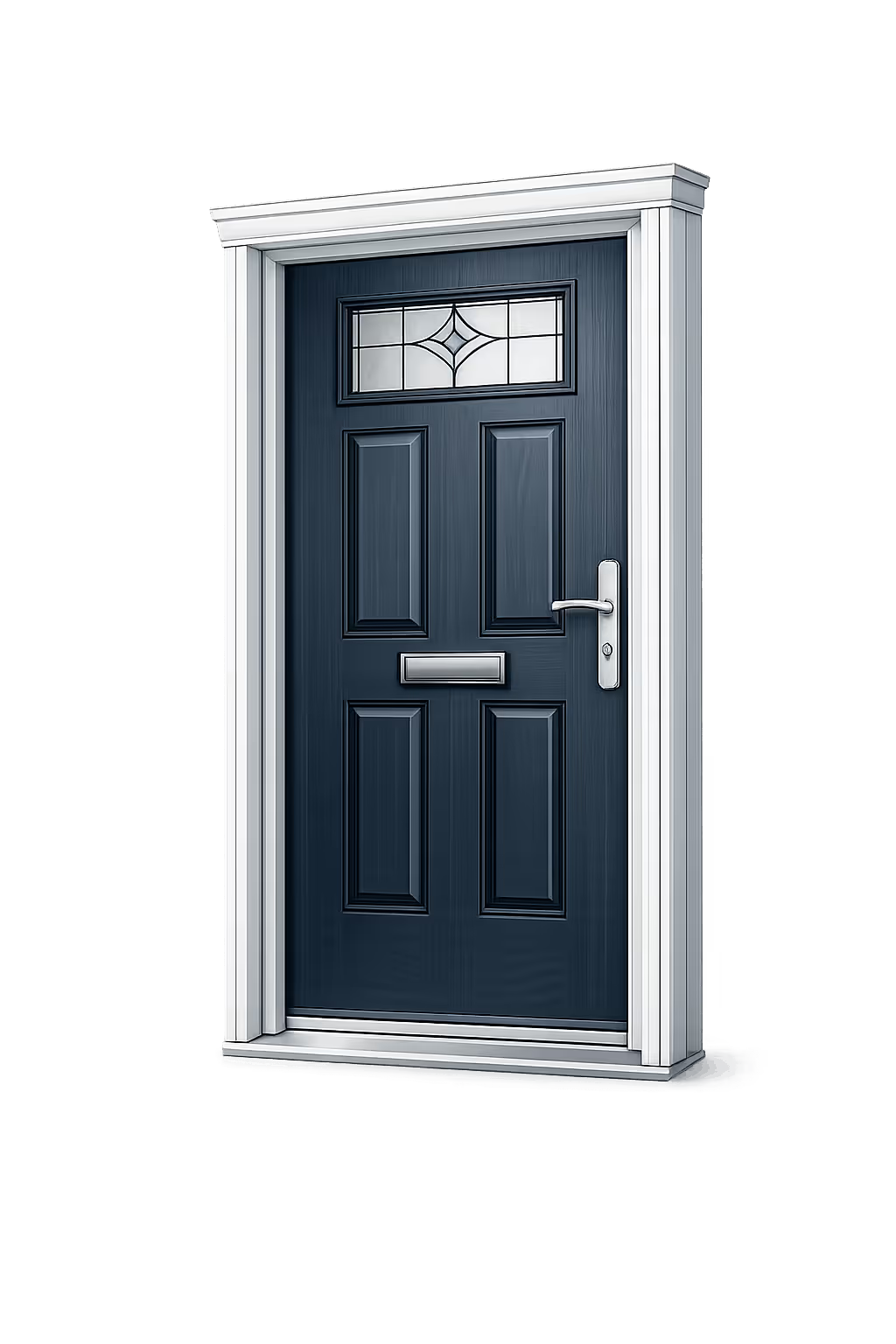
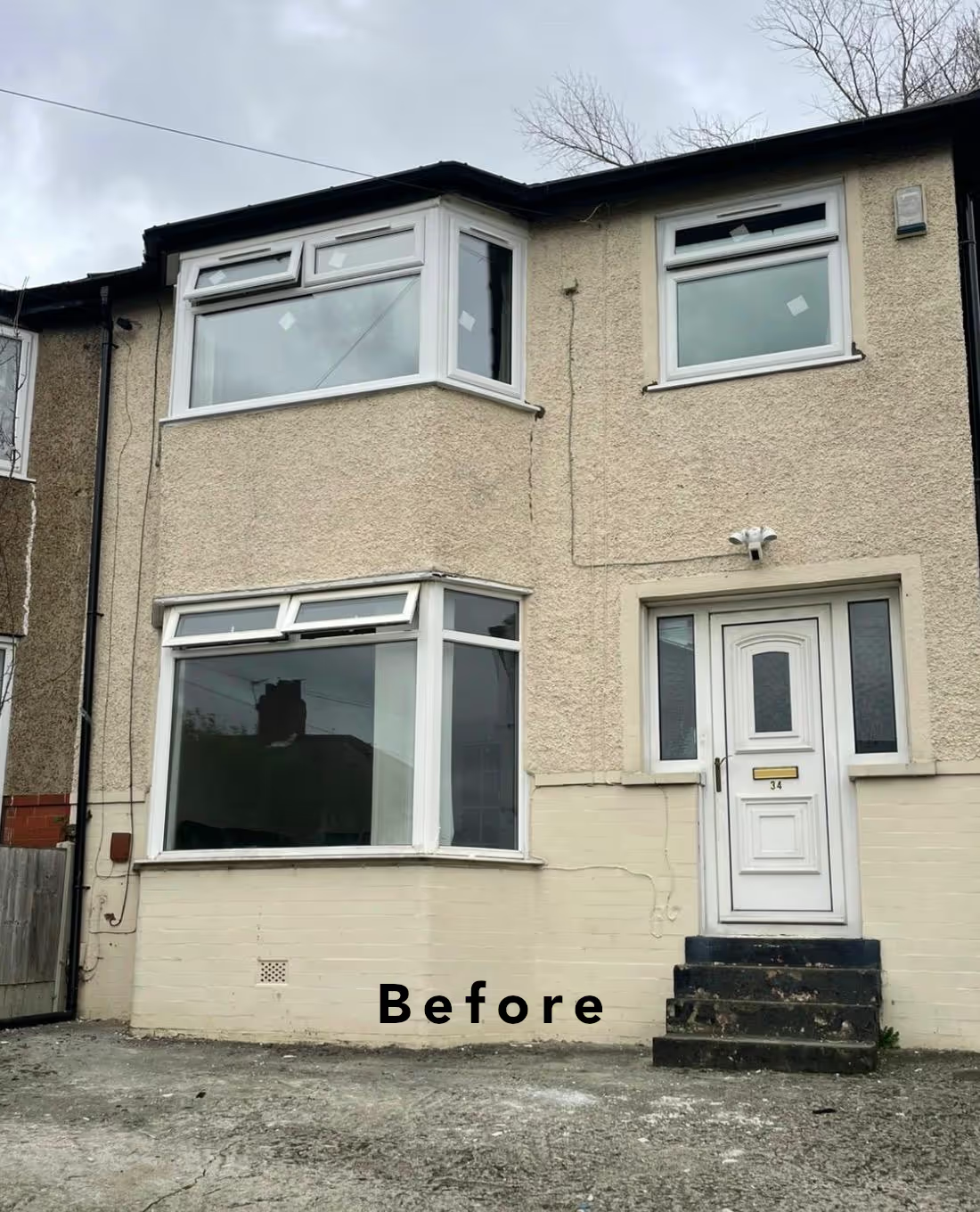
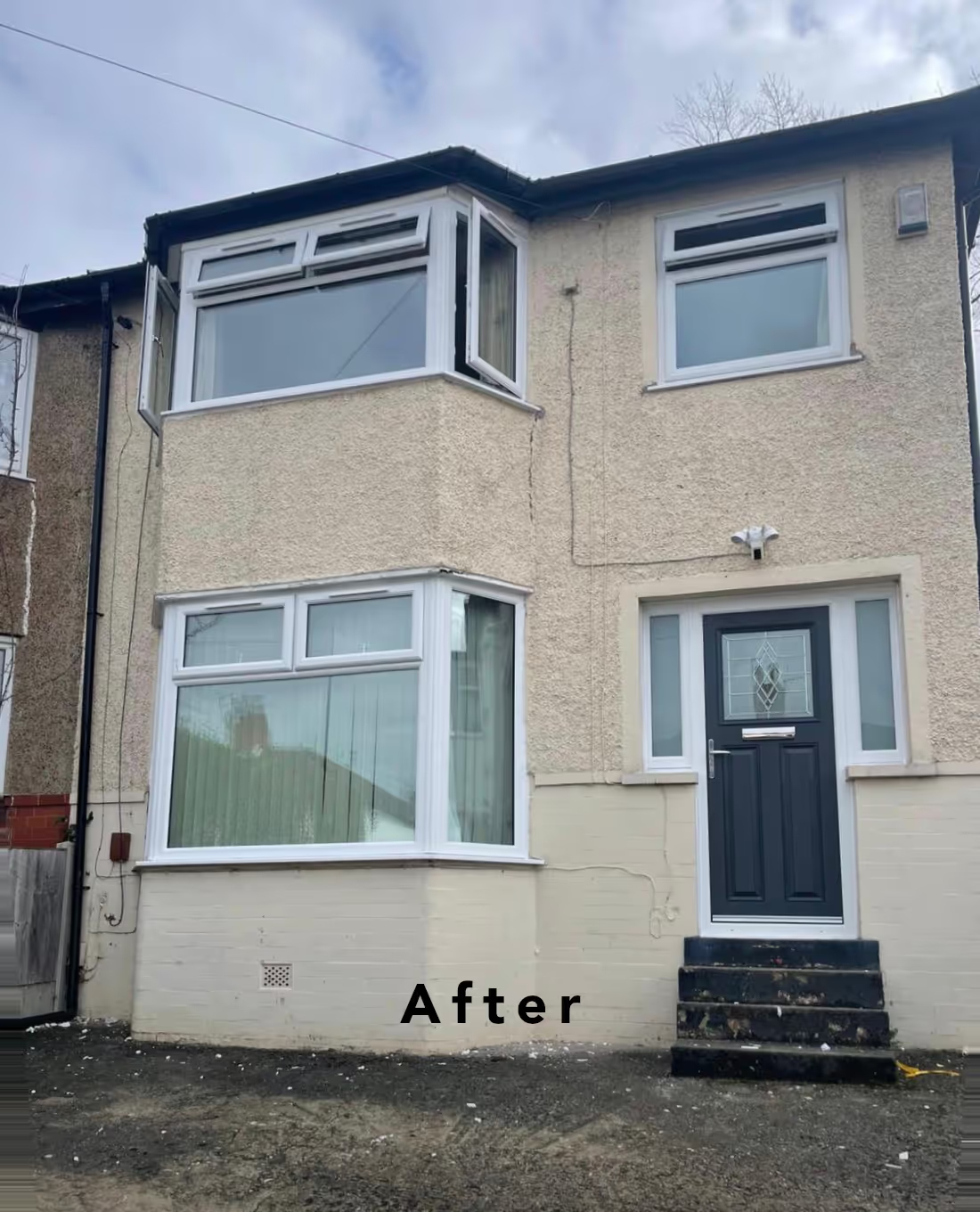
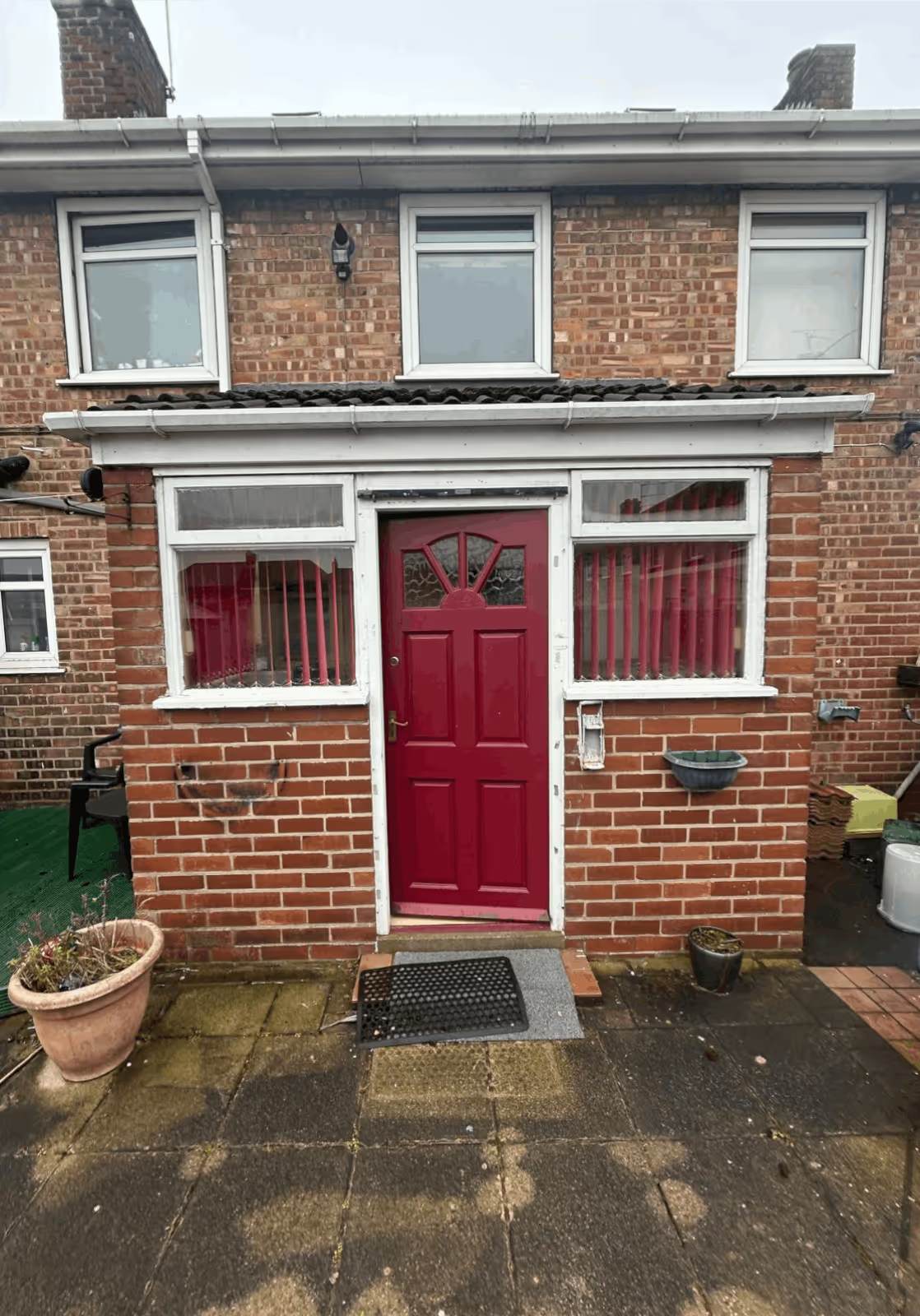
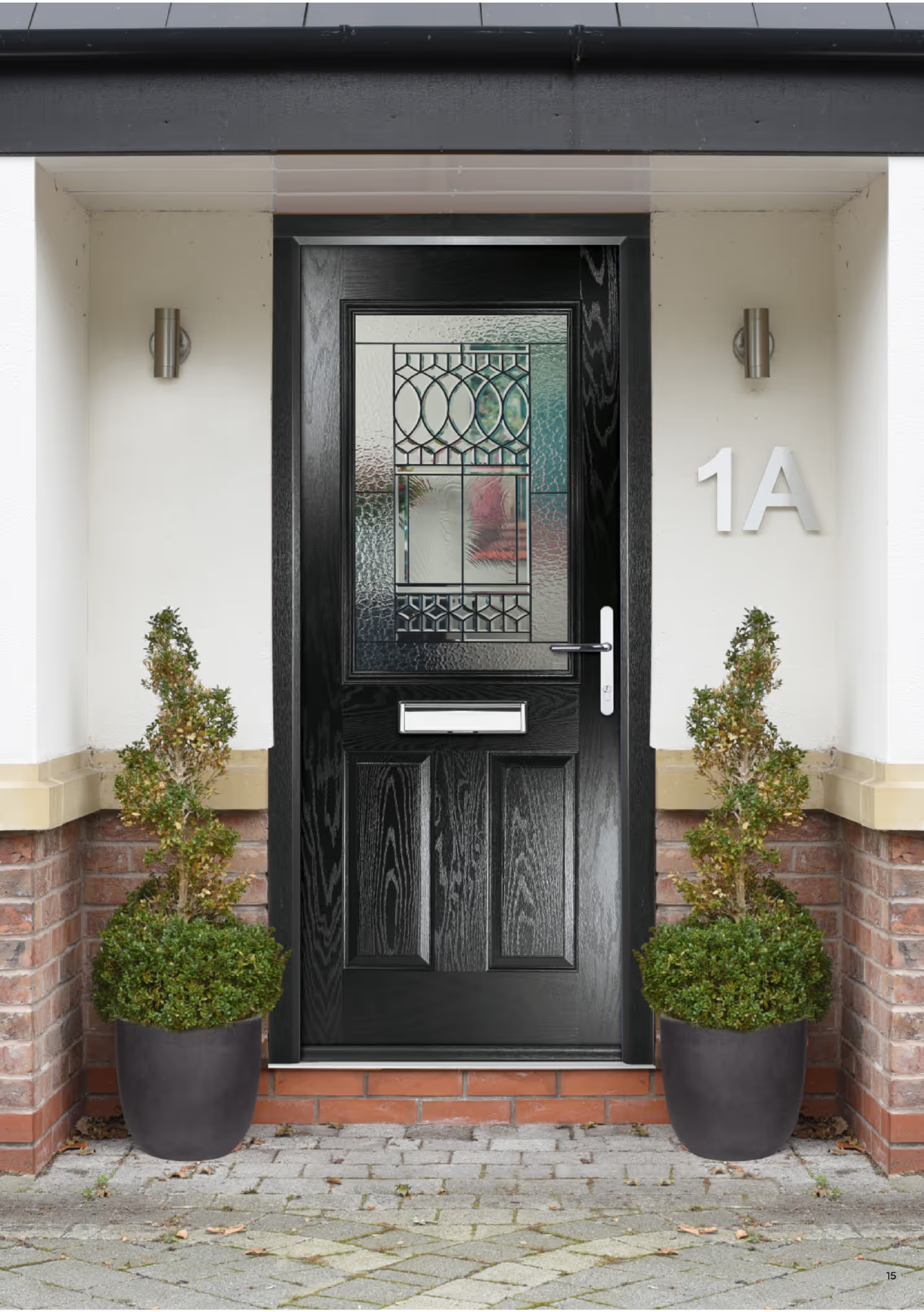
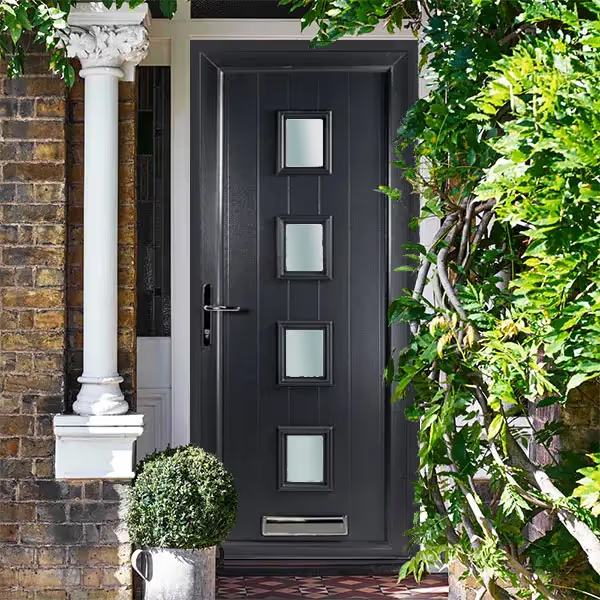
This is where the composite door truly shines. The manufacturing process allows for a woodgrain finish that is almost indistinguishable from painted timber.

  • Colour Range: Composite doors are available in virtually any colour. In 2026, we are seeing a huge demand for Agate Grey, Chartwell Green, and Duck Egg Blue. (Want to see them? Download our brochure here).
  • Hardware: You can accessorise a composite door with heavy “Sweet” hardware (knockers, letter plates, handles) that has a 20-year anti-corrosion guarantee.

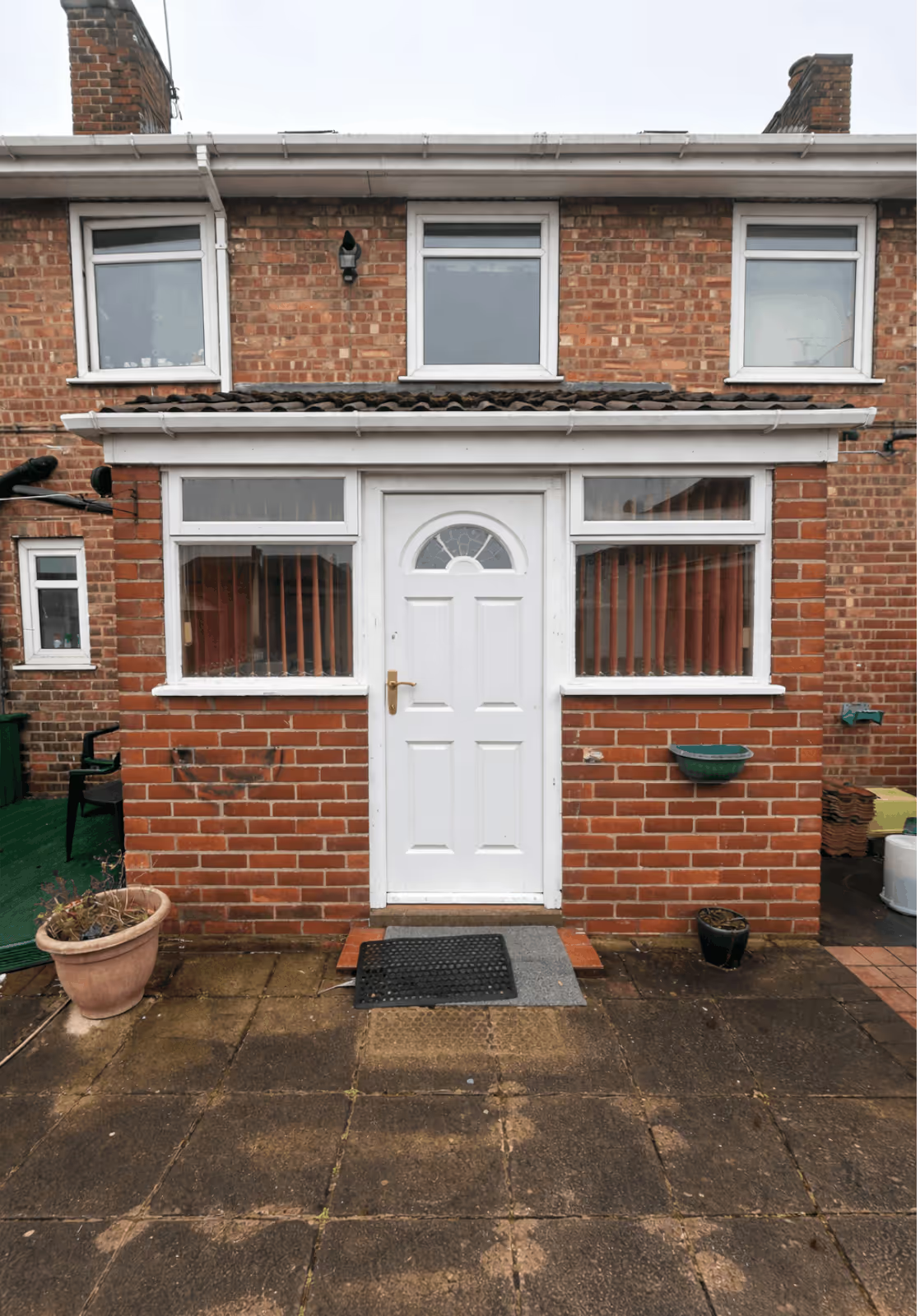
uPVC doors have fewer design options. They are typically available in White, Rosewood, or Oak, and the panels are moulded rather than having a natural wood grain. They look smart and clean, but they don’t have the “wow” factor of a composite entrance.

5. Maintenance: The “Sunday Morning” Test

How much time do you want to spend looking after your door? I’m guessing the answer is “none.”

uPVC is the ultimate “fit and forget” product. It is non-porous and incredibly easy to clean. A quick wipe with warm soapy water once every few months keeps it looking new. It will never rot, rust, or flake.

Composite doors are similarly low maintenance. The GRP skin is designed to be impact-resistant (it won’t dent if you kick it with your shopping bags). However, because it has a textured grain, you may need to use a soft brush occasionally to get dust out of the grooves. Neither door will ever need painting—a huge bonus over traditional timber which needs sanding and treating every 3-5 years.

6. The Price Reality: What’s the Difference?

This is usually the deciding factor for many of our customers. Why is there a price gap?

A composite door is a more complex product to manufacture. It involves bonding multiple materials together under immense pressure and applying a high-grade skin. A uPVC door is extruded and assembled, which is a faster process.

Generally speaking, a fully installed composite door will cost anywhere from 30% to 50% more than a uPVC equivalent.

  • Choose uPVC if: You are renovating a rental property, replacing a back door, or working to a strict budget. It offers the best “bang for your buck” regarding thermal efficiency vs price.
  • Choose Composite if: You view the door as a long-term investment (20-30 years) and want to maximise your property’s kerb appeal and value. It is an investment that you will see and feel every single day.

James’s Final Verdict: Which Goes Where?

After surveying thousands of homes across West Yorkshire, here is my general rule of thumb for where each door belongs:

Scenario A: The Main Front Entrance

Winner: Composite Door
It is the main entry point for guests, and that solid “clunk” when it closes leaves a lasting impression of quality. It sets the tone for the whole house. Plus, for street-facing properties, the acoustic insulation is a game-changer.

Scenario B: The Back Door / Kitchen Door

Winner: uPVC Door with Half-Glazing
You often want more light at the back of the house. A uPVC door with a large glass panel is cost-effective, lets light in, and is easy to clean if you have muddy dogs running in and out.

Scenario C: The Garage or Utility Room

Winner: Solid Panel uPVC Door
Here, function is more important than form. A solid uPVC door provides security and insulation without the cost of a “pretty” composite door.


Frequently Asked Questions

Q: Can I fit a cat flap to a composite door?
A: Yes, absolutely. However, it must be fitted at the factory or by a professional during installation. Because of the solid timber core, cutting into it retrospectively can compromise the structure if not done correctly. Let our team know during your survey, and we can factor this in.

Q: Do composite doors fade in the sun?
A: Cheap ones do. However, at Secured Homes, our doors use a through-colour GRP skin. This means the colour is bonded into the material, not just painted on top. We offer a guarantee against significant fading, even for south-facing properties that get the sun all day.

Q: Are your doors “Secured by Design”?
A: Yes, we offer “Secured by Design” (SBD) accreditation on our ranges. This is the official UK Police flagship initiative supporting the principles of ‘designing out crime’. You can read more about their standards at the Official Secured by Design website.

Q: How long does installation take?
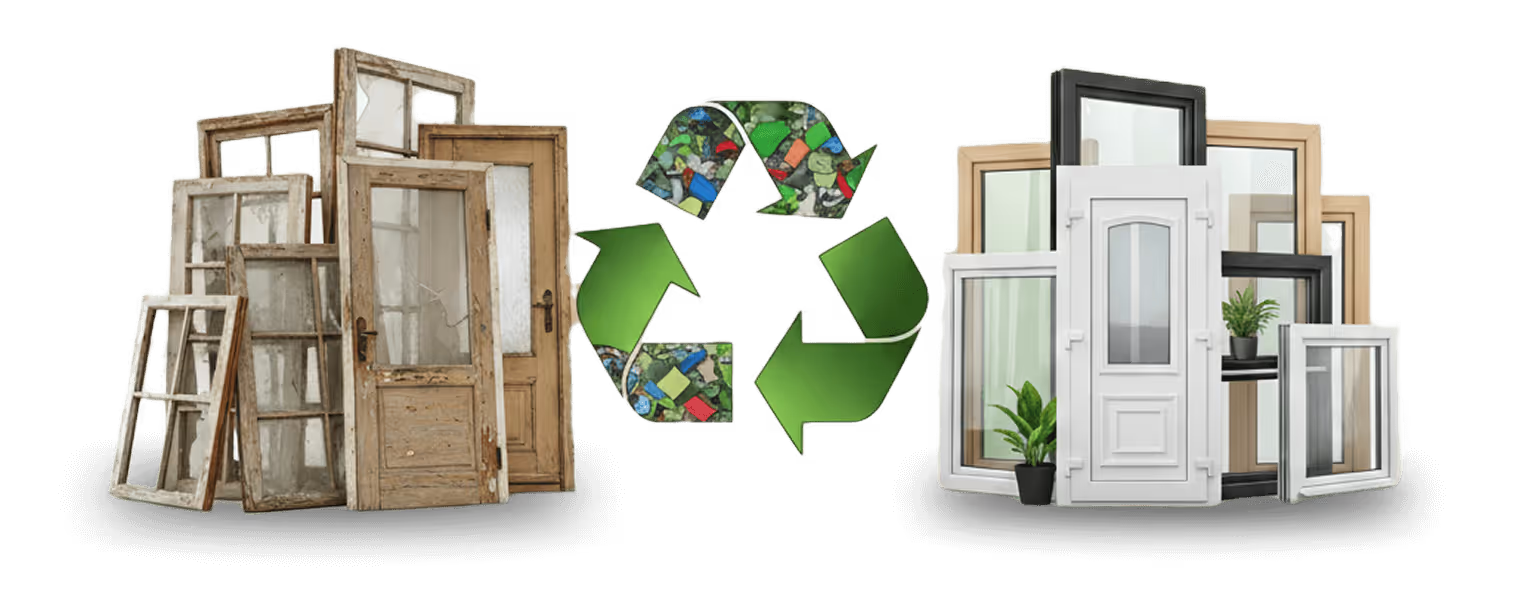
A: Whether you choose uPVC or Composite, our expert fitters usually complete the installation in half a day (3-4 hours). We take your old door away and recycle it, leaving your hallway spotless.


Ready to Feel the Difference?

You really need to see and feel the weight of these doors to understand the quality differences I’ve described. A photo on a screen can’t show you the solidity of that 48mm timber core.

Secured Homes expert surveyor in a high-vis vest measuring the width for a new composite front door with a yellow tape measure

Our local expert surveyors take precise measurements to ensure your new door fits perfectly.

Our expert surveyors are available for home visits across Bradford, Leeds, Huddersfield, and Sheffield this week.

Book Your Free Expert Survey with our Local Team
We’ll bring the cross-section samples to you so you can do the “knock test” yourself.

Or Get a Free Online Quote in minutes if you already know what you want.

Just have a quick question? Request a quick call back here.


Wrapping Up

I hope this deep dive into the engineering of our doors has helped clarify which option is best for your home. Investing in a new front door is a big decision, and my team and I are here to make sure you get it right.

Keep an eye out for my next post: I’ll be tackling the topic of “Condensation Cures: Why your windows mist up and how to stop it,” just in time for the colder months.

In the meantime, follow Secured Homes on our social channels for daily installation photos and inspiration:

Follow us on Facebook |
Follow us on Instagram